
Bio: Lukas Simianer
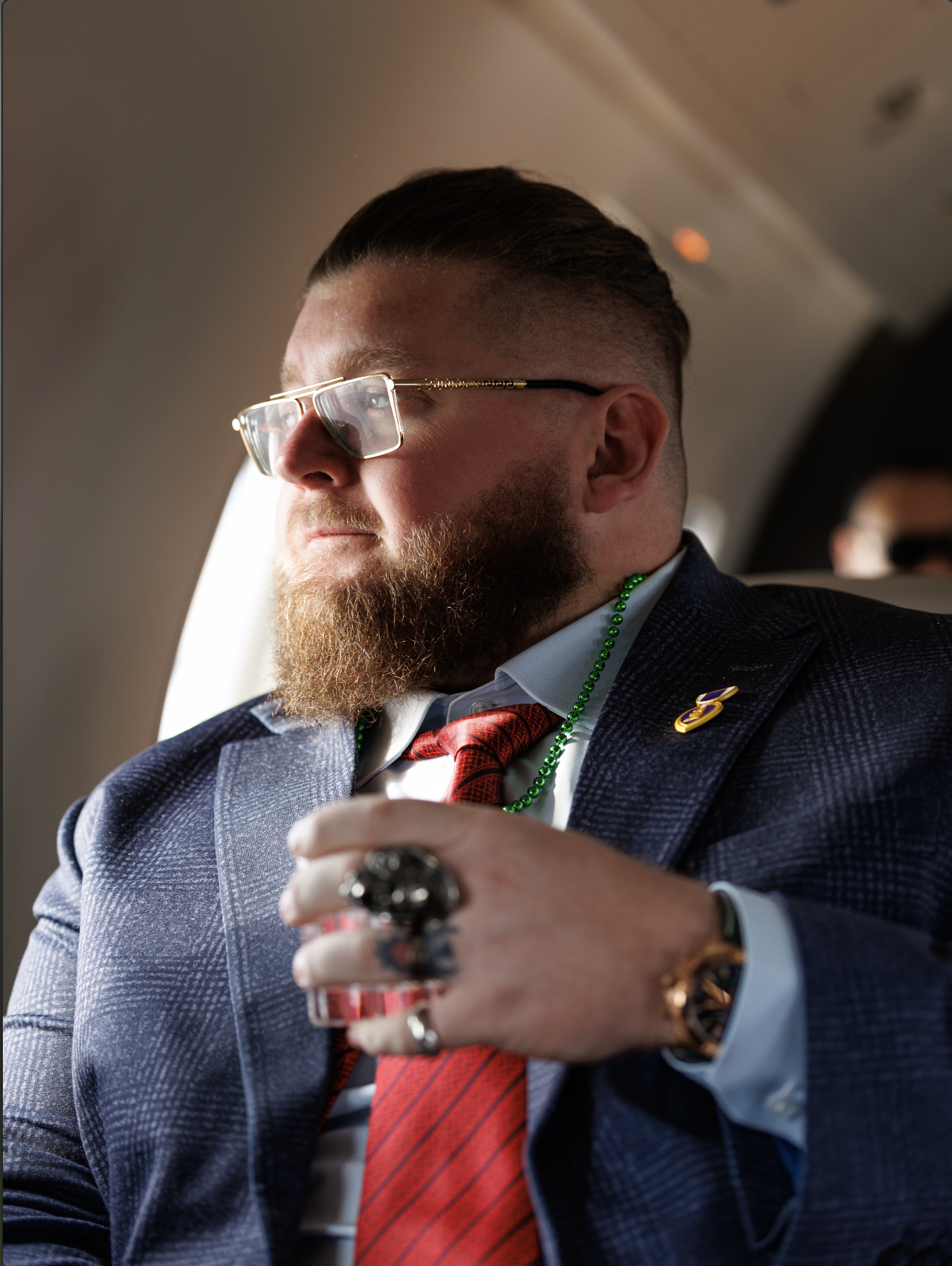
Purple Heart combat veteran and Founder/CEO of VetClaims.AI, built to protect veterans from predatory claims practices and improve outcomes in the VA disability system.
BIO / Lukas Simianer
Lukas Simianer Purple Heart recipient. 82nd Airborne paratrooper. Founder & CEO of VetClaims.AI.
I enlisted at 17. Got wounded in Afghanistan at 19. Came home broke, pissed off, and determined to fix what was broken.
That fight took me from the battlefield to nursing school, then into software engineering — all while watching my blind stepfather battle systems that were never built for people like him. Those lessons stuck.
First, I built Clusiv — the world’s first fully accessible e-learning platform for blind and visually impaired learners. It raised millions, won national awards, and proved that when you design for the people who need it most, real change happens.
Now I’m doing the same for veterans.
VetClaims.AI is my stand against the multi-billion-dollar claim shark industry that preys on brothers and sisters with high fees and low results. We built a veteran-owned, AI-powered system that delivers transparent, ethical support — no pressure tactics, no bullshit guarantees, just stronger evidence and clearer paths to the benefits we’ve already earned.
In the last year alone, we’ve scaled a team that’s created 300+ high-quality veteran jobs and helped unlock over $100 million in earned benefits for thousands of veterans.
I also founded the Future Warfighter Foundation (501(c)(3)) and The Veteran Voice (501(c)(4) PAC) because the next generation of warfighters deserves better transition, better care, and stronger political voice than we got.
Purple Heart
Presidential Civic Honors Medal (Obama Administration)
Bob Evans Farms “Heroes to CEOs” Grand Prize (2021)
Texas Business Hall of Fame “Brett Wiggs Innovative Leadership Award”
1st Place — “Accessibility Award,” Global Inclusion Online Forum (2021)
Honors & Awards
Winner — Austin Fast Start “Social Impact Pitch”
Built In Austin — “Future 5”
Selected — Techstars Workforce Development Accelerator (2021)
Finalist — Austin Chamber “A-LIST Awards”
Recognition & Programs
Platforms & Initiatives
The Veteran Voice (501(c)(4) PAC) is a battle-tested policy mission built to force real action for veterans—no slogans, no theater, no endless “studies” while people suffer.
We exist to pressure government into outcomes: faster decisions, clear rules, and protections that stop veterans from getting trapped in bureaucracy or exploited by bad actors. If a policy doesn’t measurably improve veteran lives, we’re not interested. We organize and support leaders who will move the system, not manage the headlines.
We push for reforms that actually work: fewer choke points, fewer loopholes, and real accountability when the government fails to deliver. Our standard is simple: if it doesn’t help veterans in real life, it doesn’t pass.
VetClaims.AI helps veterans navigate the VA disability process—one of the most confusing, paperwork-heavy systems in the country. Instead of veterans guessing what to file, how to explain injuries, or getting ripped off by predatory “claim shark” companies, VetClaims.AI turns a messy bureaucratic process into a clear, step-by-step plan built around evidence and outcomes.
It’s a big deal because VA disability benefits can shape a veteran’s entire life—healthcare access, financial stability, and the runway to rebuild after service. When veterans lose months (or years) to errors and delays, the cost is real. VetClaims.AI exists to shorten that gap, protect veterans, and make the system work the way it should.
Future Warfighter Foundation (501(c)(3)) exists to make sure America’s next generation of warfighters doesn’t come home to the same broken transition pipeline veterans have faced for decades.
We train and equip community leaders to support veterans with real-world execution—employment preparation, leadership development, and a clear “next mission” path after service. Just as importantly, the foundation operates as a think tank focused on what comes after a future near-peer conflict—because the next wave of veterans will be larger, the injuries more complex, and the system isn’t ready. We build the playbook now, so we’re not improvising later.